| Dr Anna Schneider is a member of the research team headed by our faculty members Farzan Nadim and Dirk Bucher. She completed her PhD at the University of Cologne, Germany, studying neural circuits controlling locomotion. |
This spring, seven Industrial Design and Biology undergraduates working with Department of Biological Sciences faculty received Undergraduate Research and Innovation (URI) Student Seed Grants. Student seed grants are awarded on a competitive basis and provide support for student-driven projects in research or the development of proof-of-concept prototypes. Congratulations to the grant winners!
Funded Projects:
|
"Weakly-Electric Fish Amplifier" |
Scheduling in progress. Please check back for updates on talk titles and additional speakers.
Tue, Jan 20 CKB 303, 1:00 pm | PhD Student Orientation Host: Phil Barden |
| CANCELLED/postponed until the fallBiological Sciences, Rutgers-Newark On the Highway of Connectivity: The Role of STRIPAK in Axonal Transport Regulation and Neuronal Function Host: Dirk BucherSuggested Reading: |
Tue, Feb 03 CKB 303, 1:00 pm ZOOM | Cell Biology and Neuroscience, Rutgers-New Brunswick Using Zebrafish to Build and Break the Blood-Brain Barrier Host: Kristen SeveriSuggested Reading: |
Tue, Feb 10 CKB 303, 1:00 pm ZOOM | Dept of Anatomy, New York Institute of Technology The Curious Case of Crested Chickens, and Other Tales of Bird Brain Evolution Host: Phil BardenSuggested Reading: |
Tue, Feb 17 CKB 303, 1:00 pm ZOOM | Dept of Natural Sciences, CUNY Baruch College Population Genomics and Evolutionary Ecology of Dragonflies Host: Phil BardenSuggested Reading: |
Tue, Feb 24
| CANCELLED/postponed until the fallBiological Sciences, Auburn University Nest Design, Construction, and Spatial Organization in the Superorganism Host: Simon GarnierSuggested Reading: |
Tue, Mar 03 CKB 303, 1:00 pm ZOOM | NJIT Biological Sciences Tinbergen’s Missing Question: How to Make Money With Animal Behavior? Host: Farzan NadimSuggested Reading: |
Tue, Mar 10 CKB 303, 1:00 pm ZOOM | Senior Oceanographer, Applied Physics Lab & eScience Institute University of Washington Measuring and Modeling Echolocation as an Active Sensing System Host: Julia Hyland BrunoSuggested Reading: |
| Tue, Mar 17 | Spring Break, no seminar |
Tue, Mar 24 CKB 303, 1:00 pm ZOOM | School of Health and Natural Sciences, Mercy University Patterns of Mammalian Diversity and the Detection of Coyotes and Free-Ranging Cats in the New York Metropolitan Area Host: Simon GarnierSuggested Reading:
|
Tue, Mar 31 CKB 303, 1:00 pm ZOOM | Dept of Biological Sciences, University of Memphis Go Right to the Source and Ask the Horse: Investigating Contraception Management in the Feral Horse to Better Understand the Linkages Among Behavior, Physiology, and Ecology Host: Simon GarnierSuggested Reading: |
Tue, Apr 07 CKB 303, 1:00 pm ZOOM | Postdoc ShowcaseAlexa Aucoin, PhD "Modeling With Memory: Using Kernels to Capture Non-Markovian Dynamics in Collective Behavior and Microrheology" Max Comstock, PhD "Slime Mold-Inspired Pathfinding for Virtual Swarms" Santiago Meneses, PhD "Activity Regulation and Task Allocation in Ant Colonies" Jie Yang, PhD "Better Together? The Impact of Oscillator Coupling on Stability and Responses to Perturbation" Host: Horacio Rotstein |
| CANCELLED/postponed until the fallDept of Molecular Biomedical Sciences, North Carolina State University TBA Host: Allison Edgar |
Tue, Apr 21 CKB 303, 1:00 pm ZOOM | Neuroscience, UPenn Hormonal Tuning of Different Circuit States Hosts: Farzan Nadim, Jorge Golowasch, Dirk BucherSuggested Reading: |
Tue, Apr 28 CKB 303, 1:00 pm ZOOM | Dept of Psychology, Rutgers-New Brunswick Beyond the Receptive Field: Visual Cortex Coding During Natural Behavior Hosts: Dirk Bucher, Farzan NadimSuggested Reading: |
| Tue, May 05 | Friday Classes, no seminar |
Tue, May 12 CKB 303, 1:00 pm | End of Semester Pizza Lunch Host: Farzan Nadim |
Tue, Sep 02 CKB 303, 1:00 pm | PhD Student Orientation Host: Phil Barden |
Tue, Sep 09 CKB 303, 1:00 pm ZOOM | NJIT Biological Sciences Neurophysiological Mechanisms of Active Sensing Host: Dirk BucherSuggested Reading: |
Tue, Sep 16 CKB 303, 1:00 pm ZOOM | NJIT Biological Sciences Behavior, Selection, & Performance: Exploring Functional Novelties Host: Farzan NadimSuggested Reading: |
Tue, Sep 23 CKB 303, 1:00 pm ZOOM | Dept of Biology, PennState How did neuronal electrical signaling evolve? Clues from ion channels across the eukaryotic tree of life Host: Allison Edgar/Dirk BucherSuggested Reading: |
Tue, Sep 30 CKB 303, 1:00 pm ZOOM | Dept of Biology, Queens College, CUNY Amyloid Precursor Protein (APP) in Animals: Evolutionary Origins, Neurogenesis, and Links to Alzheimer’s Disease Host: Allison EdgarSuggested Reading: |
Tue, Oct 07 CKB 303, 1:00 pm ZOOM | Dept of Physiology, McGill University Population coding of object location in the electrosensory system of weakly electric fish Host: Eric FortuneSuggested Reading: |
Tue, Oct 14 CKB 303, 1:00 pm ZOOM | Dept of Biology, York College, CUNY "How do learners evaluate their progress and what makes progress feel good? Lessons from songbirds." Host: Julia Hyland BrunoSuggested Reading: |
Tue, Oct 21 CKB 303, 1:00 pm ZOOM | Earth and Environmental Sciences, Rutgers-Newark "Through the lens of community ecology: quantifying microbial contributions to ecosystem biogeochemistry" Host: Phil BardenSuggested Reading:
|
Tue, Oct 28 CKB 303, 1:00 pm ZOOM | NJIT Biological Sciences "An ecohydrological perspective on forest mortality, resilience, and management" Host: Gareth RussellSuggested Reading: |
Tue, Nov 04 CKB 303, 1:00 pm ZOOM | Queens College, CUNY "Nature is nurtured and vice versa: insights from bird song" Host: Julia Hyland BrunoSuggested Reading: |
Tue, Nov 11 CKB 303, 1:00 pm ZOOM | Assistant Curator, Invertebrate Paleontology, American Museum of Natural History "The Ediacara Biota: The Fossil Record of Earth’s First Animals." Host: Allison EdgarSuggested Reading: |
Tue, Nov 18 CKB 303, 1:00 pm ZOOM | NJIT Biological Sciences "Evolution and speciation of cosmopolitan arthropods" Host: Phil BardenSuggested Reading: |
| Tue, Nov 25 | No seminar, NJIT Thursday schedule |
Tue, Dec 2 CKB 303, 1:00 pm ZOOM | Curator and Division Chair of Invertebrate Zoology, American Museum of Natural History "Insect evolution, with a focus on dragonfly systematics" Host: Dirk BucherSuggested Reading: |
Tue, Dec 9 ONLINE ONLY ZOOM | Dept of Biology, Saint Louis University "Decoding movement coordination: Insights from spinal networks" Host: Kristen SeveriSuggested Reading: |
Tue, Dec 16 CKB 303, 1:00 pm | End of Semester Pizza Lunch Host: Farzan Nadim |
CKB 303 You can also join via ZOOM
| Tuesday Jan 21 1pm CKB 303 ONLINE | Welcome to the semester pizza, Dr. Bucher's discussion on faculty search, and scheduling decisions on when to meet to read seminar papers. |
| Tuesday Jan 28 1pm CKB 303 ONLINE | Dr. Diego Giraldo, Johns Hopkins University Biology faculty candidate "The chemosensory basis of mosquito attraction to humans at high definition". Suggested reading 1: Human scent guides mosquito thermotaxis and host selection under naturalistic conditions Suggested reading 2: An expanded neurogenetic toolkit to decode olfaction in the African malaria mosquito Anopheles gambiae |
| *** THURSDAY Jan 30 1pm CKB 303 ONLINE | Dr. Cris Jernigan, Johns Hopkins University "The neural correlates of identity recognition in a wasp" Suggested reading 1: Age and social experience induced plasticity across brain regions of the paper wasp Polistes fuscatus Suggested reading 2: Neural correlates of individual facial recognition in a social wasp Suggested reading 3: Paper wasps: A model clade for social cognition |
| Tuesday Feb 4 1pm CKB 303 ONLINE | Dr. David Chen, NYU "Building the Blueprint of the Brain: Genetic and Molecular Strategies for Unraveling Sensory Circuit Development" Suggested reading 1: Coordination between stochastic and deterministic specification in the Drosophila visual system Suggested reading 2: Using single-cell RNA sequencing to generate predictive cell-type-specific split-GAL4 reagents throughout development |
| Tuesday Feb 11 1pm CKB 303 ONLINE | Dr. Andres Bendesky, Columbia University TBD
|
| *** THURSDAY Feb 20 1pm CKB 303 ONLINE | Dr. Nathaniel Himmel From Nose to Testis: A Journey Through the Twilight Zone of Sensory Evolution Suggested reading 1:Drosophila menthol sensitivity and the Precambrian origins of transient receptor potential-dependent chemosensation Suggested reading 2: Remote homolog detection places insect chemoreceptors in a cryptic protein superfamily spanning the tree of life |
| Tuesday Feb 25 1pm CKB 303 ONLINE | Dr. Mark Dombrovski, UCLA *Biology faculty candidate “Exploring the Principles of Brain Wiring through Visuomotor Transformation” Suggested reading 1: Gradients of Recognition Molecules Shape Synaptic Specificity of a Visuomotor Transformation Suggested reading 2: Synaptic gradients transform object location to action |
| ***Thursday Feb 27 1pm CKB 303 ONLINE | Dr. Bryce LaFoya, U Oregon *Biology faculty candidate On the Factory Floor: Building Brains with Stem Cells Suggested reading 1: Consumption of a polarized membrane reservoir drives asymmetric membrane expansion during the unequal divisions of neural stem cells Suggested reading 2: The cytokinetic midbody mediates asymmetric fate specification at mitotic exit during neural stem cell division. |
| Tuesday March 4 1pm CKB 303 ONLINE | Dr. David Schulz, Missouri University “Feedback mechanisms in adaptive and pathological circuit dynamics: Insights from ganglia in crabs and mice” Suggested reading 1: Spinal cord injury is associated with changes in synaptic properties of the mouse major pelvic ganglion Suggested reading 2: Membrane Voltage Is a Direct Feedback Signal That Influences Correlated Ion Channel Expression in Neurons |
| Tuesday March 11 1pm CKB 303 ONLINE | Dr. Daniel Kronauer, Rockefeller University “Communication in Ant Societies” Suggested reading 1: The emergence of a collective sensory response threshold in ant colonies Suggested reading 2: The pupal moulting fluid has evolved social functions in ants |
| Tuesday March 18 | SPRING BREAK |
| Tuesday March 25 1pm CKB 303 ONLINE | Dr. Eric Fortune, NJIT "The Xprize" |
| Tuesday April 1 1pm CKB 303 ONLINE | Dr. Guillermo Jimenez Aleman, NJIT "Two conserved omega-3 fatty acid desaturases control jasmonate biosynthesis in Marchantia" Suggested reading 1: Ligand diversity contributes to the full activation of the jasmonate pathway in Marchantia polymorpha Suggested reading 2: How Jasmonates Earned their Laurels: Past and Present |
| Tuesday April 8 1pm CKB 303 ONLINE | Dr. Eric Tytell, Tufts University “Resilience of Swimming in Fishes: From Fluid Dynamics to Spinal Cord Injury” Suggested reading 1: Proprioceptive feedback amplification restores effective locomotion in a neuromechanical model of lampreys with spinal injuries Suggested reading 2: Regulation of the swimming kinematics of lampreys Petromyzon marinus across changes in viscosity |
| Tuesday April 15 1pm CKB 303 ONLINE | Dr. Kiersten Formoso, Rutgers "Ancestral Terrestrial Influence on Land-to-Sea Transformations Across Amniotes"
Suggested reading 1: The Role of Locomotory Ancestry on Secondarily Aquatic Transitions Suggested reading 2: Ecophysiological steps of marine adaptation in extant and extinct non-avian tetrapods |
| Tuesday April 22 1pm CKB 303 ONLINE | Dr. Wolfgang Stein, Illinois State University "Thermal acclimation and mechanisms of temperature resilience in rhythmic motor patterns" Suggested reading 1: Suggested reading 2: |
| Tuesday April 29 1pm CKB 303 ONLINE | Dr. Maurice Chacron , McGill University “Population coding of object location in the electrosensory system of weakly electric fish” Suggested reading 1:Nonresponsive Neurons Improve Population Coding of Object Location Suggested reading 2: Coding of object location by heterogeneous neural populations with spatially dependent correlations in weakly electric fish |
| Tuesday May 6 1pm CKB 303 ONLINE | End of seminar gathering |
2024-2025 colloquium schedule
You can also join via ZOOM
| Tuesday Oct 08 1pm CKB 303 ONLINE | Understanding large-scale plant water relations with GRACE/GRACE-FO Suggested reading 1: Evapotranspiration frequently increases during droughts |
Tuesday ONLY | Dr. Lidia Szczpak, Universidad de Buenos Aires Transmission of rhythmic signals along the nerve cord Suggested reading 1: Motor neural networks in the leech.
|
| Tuesday Oct 22 1pm CKB 303 | Songbirds learn the rhythms of their songs Suggested reading 1: Birdsong Learning and Culture: Analogies with Human Spoken Language |
| Tuesday Oct 29 1pm CKB 303 ONLINE | Dr. Pabrita Sahoo, Rutgers Newark Physiological stress granules and their role in axon regeneration. Suggested reading 1: Axonal G3BP1 stress granule protein limits axonal mRNA translation and nerve regeneration |
Tuesday ONLY | Dr. Maristela Camargo University of São Paulo SWAB (Spontaneous Wildlife Autonomous Biosampler) - An innovative tool for non-invasive contact-free voluntary wildlife health, pathogens, and welfare monitoring at landscape scale Suggested reading 1: Rigorous wildlife disease surveillance: A decentralized model could address global health risks associated with wildlife exploitation |
| Tuesday Nov 12 1pm CKB 303 ONLINE | Dr. Dirk Bucher, NJIT Trying to make sense of the neuromodulator soup: co-regulation of receptor expression across different neuropeptides Suggested reading 1: Neuropeptide Receptor Transcript Expression Levels and Magnitude of Ionic Current Responses Show Cell Type-Specific Differences in a Small Motor Circuit |
Dr.
| Tuesday Nov 19 1pm CKB 303 ONLINE | From connectome to behavior: What can we predict? Suggested reading 1: Synaptic gradients transform object location
|
| Dec 3 | Dr. Paul Katz, UM Amherst Suggested reading 1: Artificial Synaptic Rewiring Demonstrates that Distinct Neural Circuit Configurations Underlie Homologous Behaviors |
| Dec 10 | Meet with Phil | End of the year presentations |
->
2023-2024 colloquium schedule (Tuesdays at 1PM — see schedule for location/Zoom information)
TBD
Date | Speaker |
Tuesday Sep 11 | Dr. Eric Fortune, Department of Biological Sciences, NJIT |
Tuesday Sep 19 | Dr. Tong Qiu, Penn State University |
Monday Sep 25 | Katie Gallman, PhD Candidate in Biological Sciences, NJIT |
Tuesday Sep 26 | CANCELLED. Dr. Anthony Geneva, Rutgers-Camden |
Tuesday Oct 3 | Dr. Jorge Golowasch, Department of Biological Sciences, NJIT |
Tuesday Oct 10 | Dr. Lily Khadempour, Rutgers Newark. |
Tuesday Oct 17 | Prof. Farzan Nadim, NJIT |
Tuesday Oct 24 | Dr.Chi Chen, Rutgers University |
Tuesday Oct 31 | Dr. Andrea Roeser, Emory University |
Tuesday Nov 7 | Dr. Brooke Flammang |
Tuesday Nov 14 | Dr. Martin Haesemeyer |
Tuesday Nov 21 | Dr. Petras Swissler, Dept. of Mechanical Engineering, NJIT |
Tuesday Nov 28 | CANCELLED. Dr. Bruce Carlson |
Tuesday Dec 5 | PhD Student Presentations: Grant Bowers and Smita More-Potdar |
WINTER BREAK | |
Tuesday Jan 30 | Dr. Phillip Barden, NJIT |
Tuesday Feb 6 | Dr. Hungtag Ko, Princeton University |
Tuesday Feb 13 | CANCELED DUE TO SNOW. Dr. Jessica Goodheart, American Museum of Natural History |
Tuesday Feb 20 | Dr. Michael Lee |
Tuesday Feb 27 | Sean Dowd, Senior Associate Dean of Students, NJIT |
Tuesday Mar 5 | Dr. Xiaonan Tai, NJIT |
SPRING BREAK | |
Tuesday Mar 19 | Dr. Sophia Tintori, New York University |
Tuesday Mar 26 | Dr. Franne Kahmi, Denison University |
Tuesday Apr 2 | Dr. Michael Granatosky, NYIT |
Tuesday Apr 9 | Dr. Zachary Calamari, City University of New York |
Tuesday Apr 16 | Dr. David Lipshutz, Flatiron Institute |
Tuesday Apr 23 | Dr. Michael Layden, Lehigh University |
Tuesday Apr 30 | Dr. Bruce Carlson, Washington University of St. Louis |
2022-2023 colloquium schedule (Fall: Mondays at 3pm. Spring: Tuesdays at 1PM — see schedule for location/Zoom information)
Date | Speaker |
Monday Sep 12 | Dr. Toni Guillamon, Universitat Politècnica de Catalunya (UPC) and Centre de Recerca Matemàtica, Spain |
Monday Sep 26 | Dr. Claudio Mirasso, Universitat de les Illes Balears (UIB), Palma de Mallorca, Spain |
Monday Nov 7 | Dr Beatriz Baño-Otàlora, The University of Manchester, Manchester, UK |
Monday Nov 28 | Dr. Julia Hyland Bruno, NJIT Department of Humanities |
Monday Dec 5 | Dr. Kristina Wicke, NJIT Department of Mathematics |
WINTER BREAK | |
Tuesday Jan 17 | Dr. Katelyn Mike, University of Chicago |
Tuesday Jan 24 | Dr. Isabella Muratore, NJIT |
Tuesday Jan 31 | Dr. Heather Bruce, Marine Biology Labs, Woods Hole |
Wednesday Feb 1 | Dr. Jaya Krishnan, Stowers Institute for Medical Research, Kansas City |
Tuesday Feb 7 | Dr. Larry Band, University of Virginia |
Wednesday Feb 8 | Dr. Megan Corty, Vollum Institute & Oregon Health Science Institute |
Thursday Feb 9 | Dr. Allison Edgar, The Whitney Laboratory for Marine Bioscience, St. Augustine |
Thursday Feb 16 | Dr. Carolyn Elya, Harvard University |
Tuesday Feb 28 | Dr. Ashlee H. Rowe, University of Oklahoma |
Tuesday Mar 7 | Dr. Melissa Ingala, Fairleigh Dickinson University |
SPRING BREAK | |
Tuesday Mar 21 | Audrey Biondi-Kellogg, NJIT |
Tuesday Mar 28 | Dr. Dora Biro, University of Rochester |
Tuesday Apr 4 | Dr. Jason Yang, Rutgers NJMS |
Tuesday Apr 11 | Dr. Ioana Carcea, Rutgers Brain Health Institute |
Tuesday Apr 18 | Christine Sosiak, NJIT |
Tuesday May 2 | Dr. Clinton Jenkins, Florida International University |
Biology Society — biosociety.njit@gmail.com
The Biology Society is committed to connect with not only biology major students but students who are generally interested in biology (even if that is not their major). The club holds several events that focus on serving the community. They also hold a lot of biology-related fun events.
BPO (Beta Psi Omega) — njit@bpsiomega.org
Beta Psi Omega is a professional biology fraternity that serves as a supportive organization for students pursuing careers in the biological sciences, and to further the advancement of biology as a science and a profession. The fraternity aims to provide students with opportunities, insights, and guidance to success. If you are thinking about joining, please visit our website.
PHS (Pre-Health Society) — phs.njit@gmail.com
The main mission of the Pre-Health Society is to guide all pre-health students and connect them together. To correct a common thought, PHS is not only for pre-med students. But it is for everyone who is interested in any branch of the healthcare (doctors, dentists, physician assistants, nurses, and the list goes on and on). The society offers great advice and mentoring that anyone would need throughout their pre-health journey. This guidance prepares its members both academically as well as professionally for their long upcoming journey in the healthcare field. Members get the opportunity to attend workshops that are vital for their preparation to applying to their professional schools and have access to different volunteering and service opportunities that are important for their success. The Pre-Health Society is an organization dedicated to others just like you, and aims to provide meaningful experiences and information that will help you succeed." - (phsnjit)
PDS (Pre-Dental Society) — Predentalsociety.njit@gmail.com and PDA (Project Dental All) — projectdentalall.njit@gmail.com
Info TBD.
HOSA (Health Occupations Students of America) — hosa.njit@gmail.com
HOSA is an international student organization recognized by the US department of Education and the Health Science Education (HSE) Division of ACTE. NJIT has its own chapter here on campus. Members are also allowed to compete on state and national level. HOSA is a great way to enrich your knowledge about the healthcare field as well as build great personal characteristics.
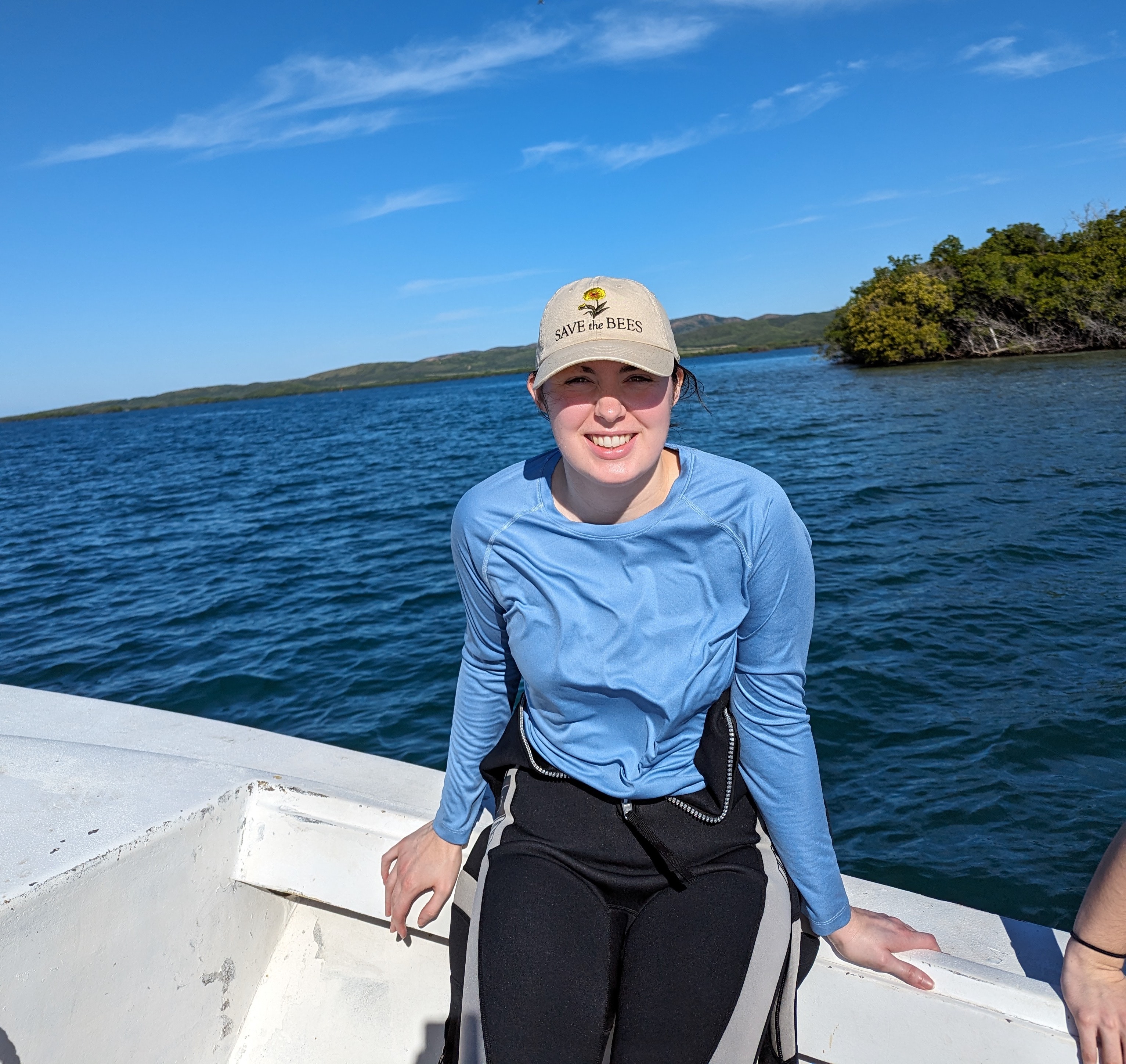
| Claire Bailey |
Claire is a current PhD student at NJIT interested in ecology, evolution, and behavior, with a focus on eusocial organisms. She has previously worked on three-dimensional honey bee nest architecture and animal behavior, and she is currently studying the only marine example of eusociality found in the Synalpheus genus of snapping shrimp. Ultimately, she is focused on the intersection of morphology, behavior, and evolution and hopes to investigate how these features influence the ecology and extinction of eusocial animals. |
|
| Shakila Behzadi |
Shakila is interested in computational, biophysical, and cellular neurobiology. She is current laboratory technician in the Severi lab and previously worked in SARS-CoV-2 research. | |
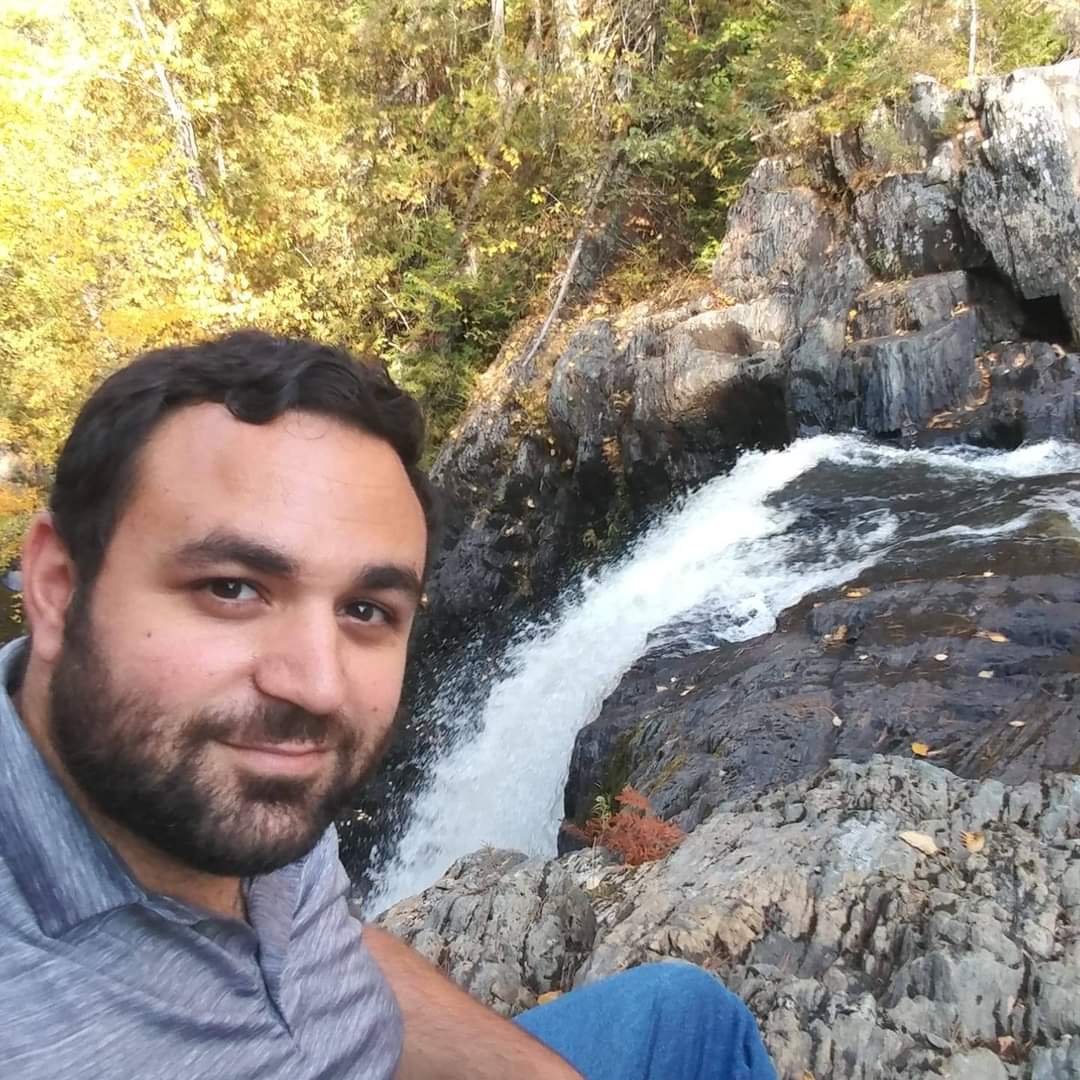
| William Botta | Will is a PhD student in Biology with a concentration in Ecology and Evolution. He got his B.S. in Marine Biology at the University of Rhode Island and his Master's in Marine Science at the University of New England studying aggression behavior in the European Green Crab. He is currently studying mass panic behavior in zebrafish in the Swarm lab and the Severi Lab. His main research interests are in intraspecies and interspecies behavior and in community ecology, with special interests in manta rays, coral reefs, and the deep sea. |
|
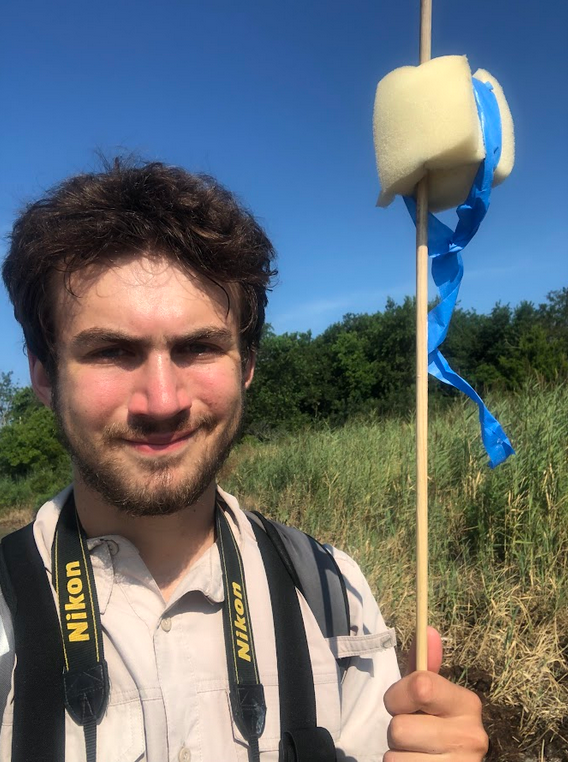
| Grant Bowers | Grant is a PhD student in Dr. Russell’s lab whose interests include community ecology, island biogeography, and evolutionary history. His current focus is on nearshore islands, and how their geographical characteristics influence the kinds of bird and mammal communities they host. Previous work has involved vertebrate paleontology and a Master’s degree in island biogeography of birds in the Chesapeake Bay. |
|
|
Paco Chow |
Paco is interested in blending biological and computational approaches to better understand collective intelligence. His prior work spans strict modeling of cell development as well as lab-based investigations of decision making in slime mold. |
|
| Catherine Eno |
Cat is interested in elasmobranchs (cartilaginous fish), bio-inspired design, and marine biology. Prior to joining NJIT, she participated in shark research and worked as an engineering intern at the Naval Undersea Warfare Center. | |
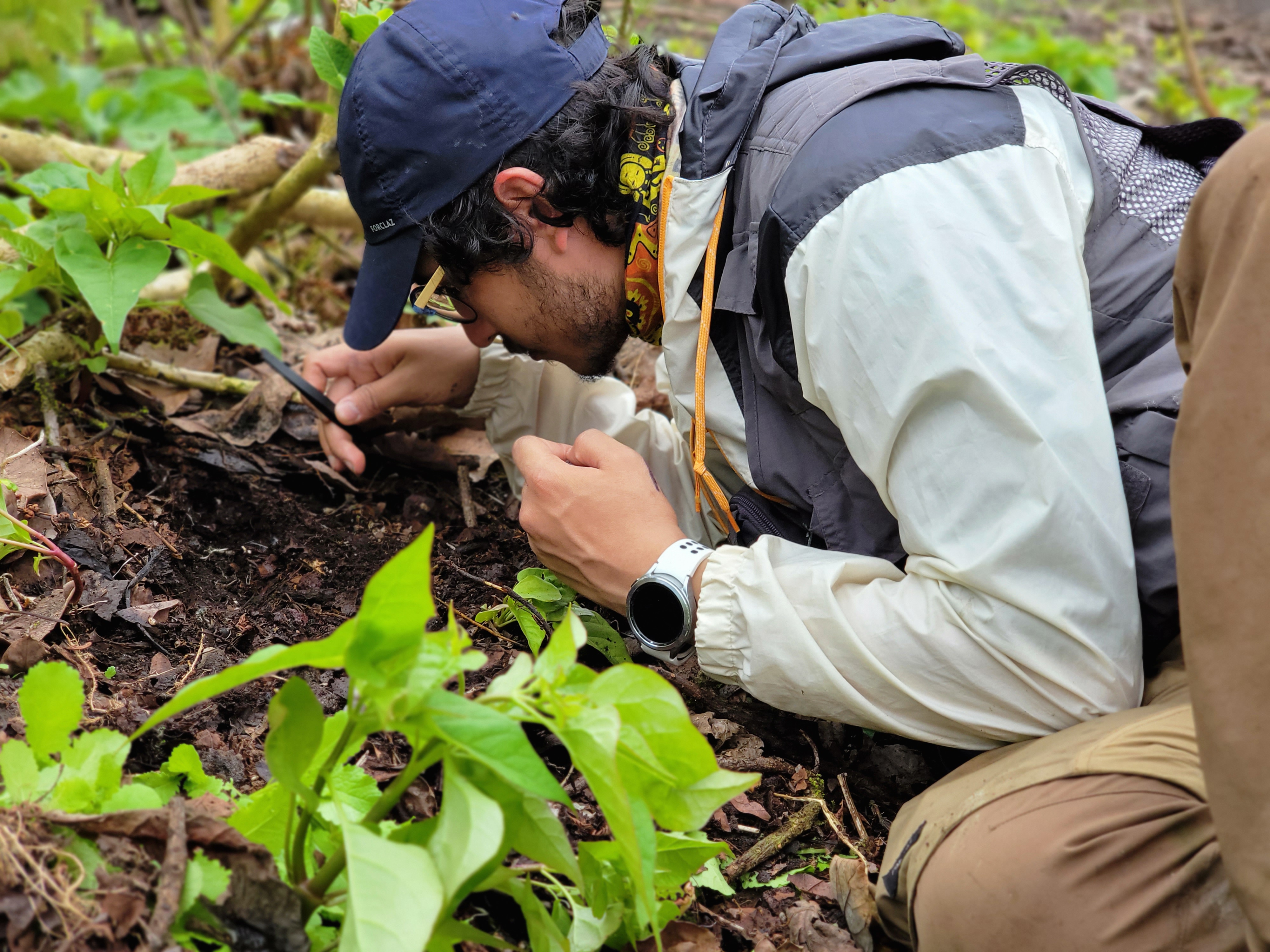
| Gianpiero Fiorentino | Gianpiero is a Colombian Ph.D. candidate interested in biogeography, systematics, and evolutionary relationships in ants. He completed his undergraduate degree at the National University of Colombia, studying the patterns of biodiversity of Neotropical ants using systematics and taxonomy. Following his undergraduate career, Gianpiero has worked as an assistant curator at the Institute of Natural Sciences, a research assistant with the Insects of Colombia, and as a collaborative researcher with Escuela Superior Politecnica del Chimborazo (ESPOCH) and the Charles Darwin Research Station. There, he is working on studying the effects of Biological invasion on island ecosystems in the Galapagos. Gianpiero is a proud Latino and is currently leading an initiative in Colombia focused on engaging scientific learning in rural indigenous communities in the Amazon and the Pacific. He is a Co-founder of the Neotropical ants study group (GEHN), an outreach initiative that looks to give visibility to up-and-coming Latin American researchers. GEHN provides young researchers looking to enter academia with the chance to participate in weekly talks and science communication meetings. With his passion for teaching, he hopes to one day become a university professor and continue working towards encouraging diversity and inclusion in STEM. |
|
| Isidro Gauto | Isidro is interested in mathematical modeling of neural systems. He worked intensively on the Cortex-Striatal-Thalamic-Cortex circuit as an undergraduate and was supported by a scholarship from his undergraduate institution supported by the Consejo Nacional de Investigaciones Científicas y Técnicas, Argentina’s predominant federal funding agency. | |
| Alifia Ibkar | Alifia is interested in ecology, ecohydrological modeling, and wildfire, with an emphasis on remote sensing & GIS. Alifia recently worked on sustainable groundwater management in government settings. | |
| Elias Joseph | Elias brings a passion for marine invertebrates and scientific accessibility. They have worked on tardigrades, cnidarians, and microbes using a variety of molecular and imaging techniques and recently received an Honorable Mention for the National Science Foundation’s Graduate Research Fellowship. | |
| Roxanna Nadim | Roxy is interested in interested in the intersection of behavior, communication, and decision-making in social organisms. As an undergraduate and laboratory technician, she worked on neuroscience and comparative anatomy in vertebrate systems. | |
|
Isaiah Rejoius |
Isaiah’s scientific work is motivated by climate change and shifts in global ecosystems. As an undergraduate McNair scholar, he worked to better understand drought in the Sierra Nevada’s through model- and simulation-based approaches. |
|
| Danna Valentina Sanchez Hernandez | Danna’s undergraduate work has blended engineering and biology across human and marine systems. Most recently, she has worked to assess the hydrodynamic implications of group swimming in sharks and was awarded an undergraduate Goldwater Scholarship. | |
| Josh Schreibeis | Josh is a PhD student in Biology with a concentration in neuroscience. Prior to joining the PhD track Josh had earned his M.S. degree in bioinformatics from NJIT. He continued to follow his research interest which led him to join Professor Rostein’s lab. Josh’s research interests are firmly rooted in the field of computational biology. He is passionate about exploring novel methodologies and machine learning algorithms to advance our understanding of complex biological systems, ultimately contributing to the development of innovative therapeutics. |
|
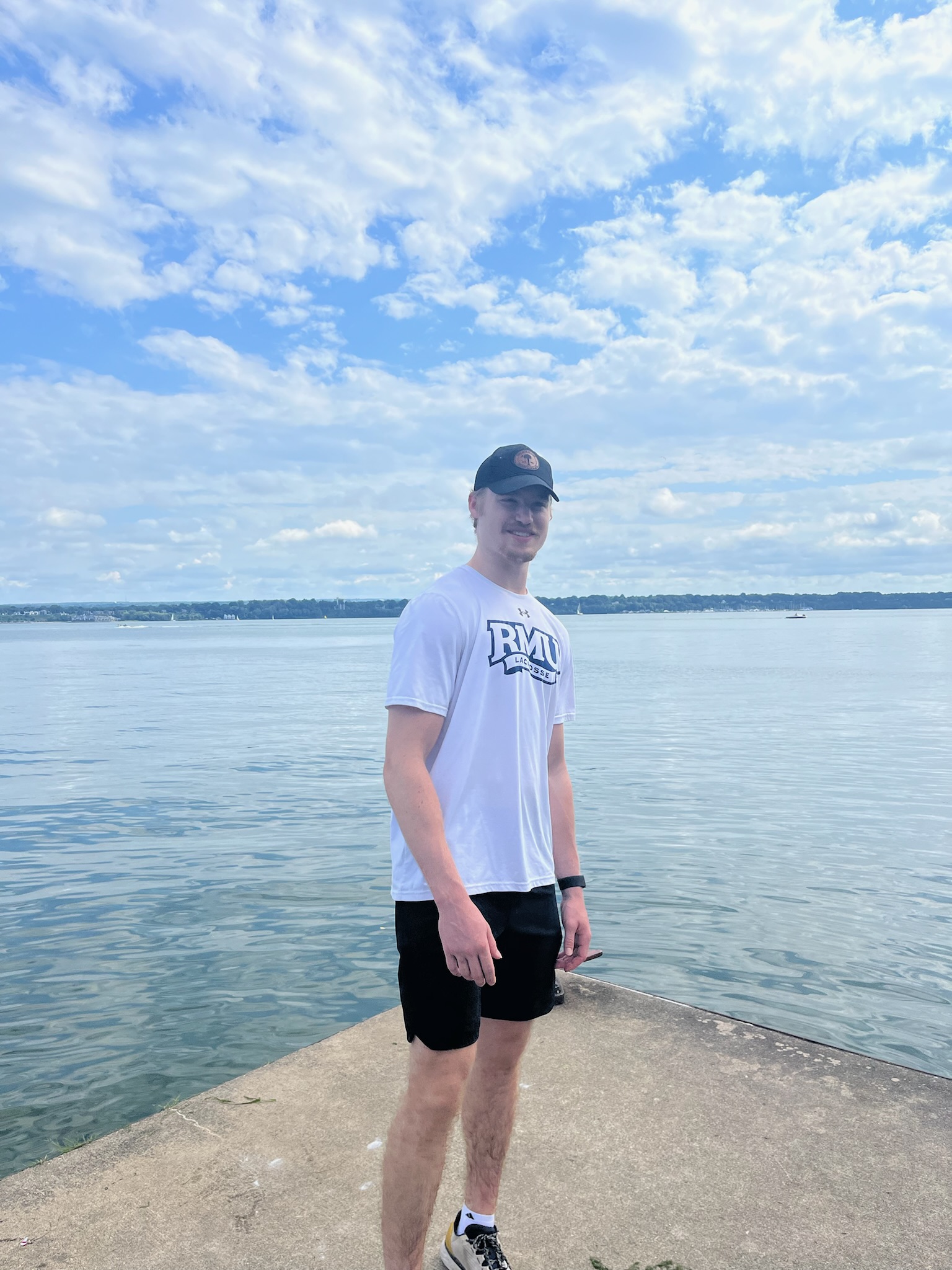
| Anthony Sena | ||
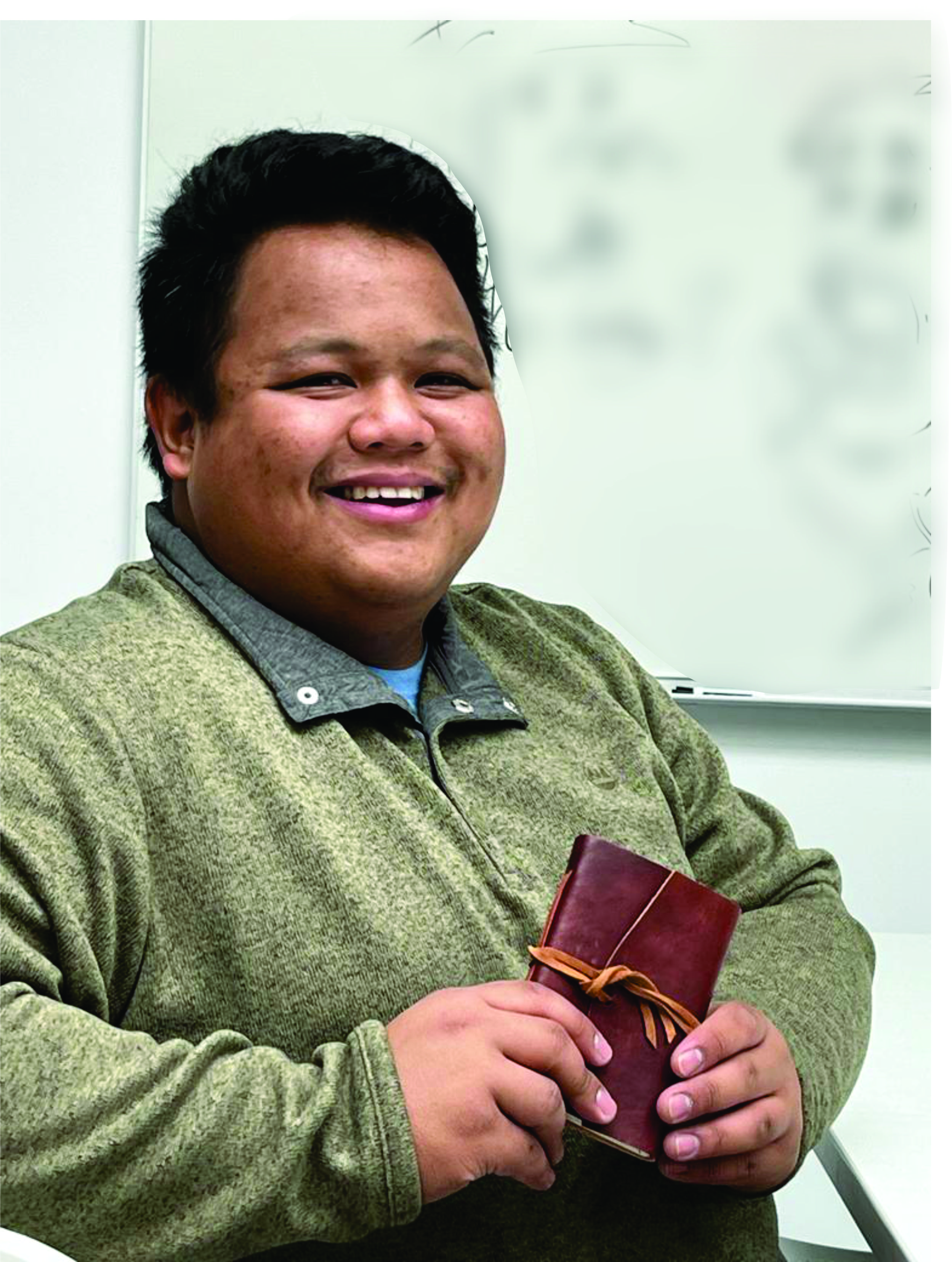
| Jonathan Trinidad | Jonathan is a PhD candidate with Professor Golowasch. He works on identifying the molecular pathways that govern coregulation of ion channels in neurons. Using bioinformatic tools and patch clamp experiments, Jonathan hope to understand how neurons regulate their highly variable combinations of parameters to exhibit characteristic electrophysiological activity. |
|
|
Yinghui Wang |
Yinghui’s passion is rooted in marine animals, particularly invertebrates; as an undergraduate she contributed to work on copepod evolution and comparative genetics in arthropod vision. At NJIT she will focus on Ctenophores. |
|
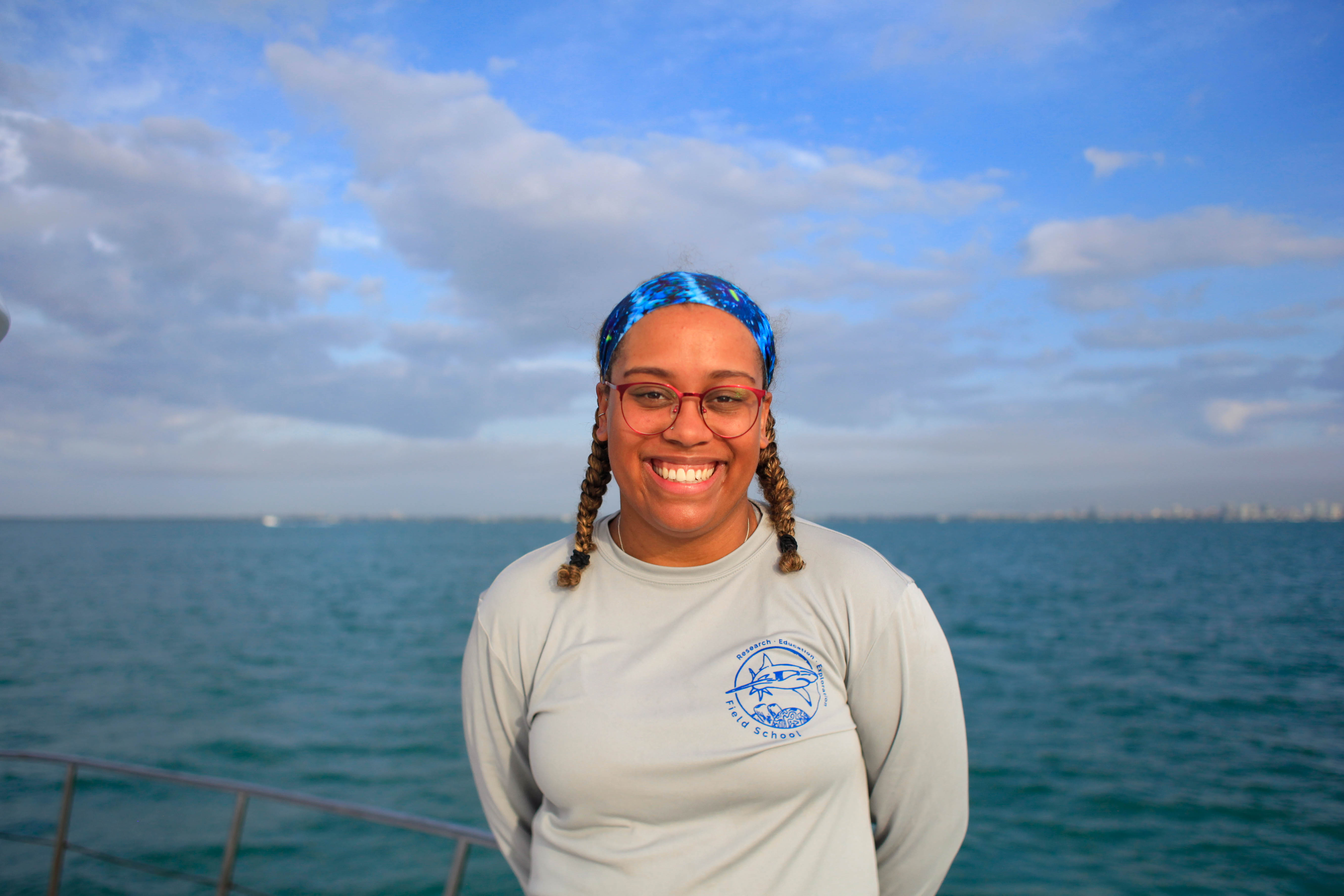
| Amani Webber-Schultz | Amani is a PhD candidate in the Flammang Lab studying shark functional morphology and swimming kinematics. She is particularly interested in how their scale morphology changes fluid flow around their body. |
|
|
Brandon Winick |
Brandon is broadly interested in neuroscience, especially as it relates to behavior, locomotion, and neuronal adaptation. He joins NJIT after working in industry at Azenta Life Sciences with a recent focus on next-generation transcriptomic sequencing. |
|
| Yuchen Zhang | Yuchen is interested in neuromodulation and electrophysiology as viewed through the stomatogastric nervous system. He is currently a MS student at NJIT and previously worked in animal physiology and marine biology laboratory settings. |
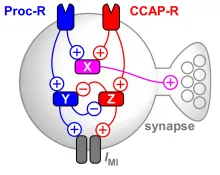
Under the guidance of Dirk Bucher and Farzan Nadim, both faculty in the department, Dr. Li used a small neural circuit in crabs for her dissertation work to show that the way two modulatory neuropeptides act together can be very different at different subcellular targets. Their combined effect on synapses was simply the sum of their individual effects. In contrast, the combined effect on voltage-gated ion channels was smaller than could be predicted from the individual effects, particularly if the two peptides were present at different concentrations.
PhD Home | How to apply | Curriculum and Progression | Documents and Forms
General Documents
Ph.D. Program Guidelines (PDF)
Ph.D. Program First and Second Year Timeline (PDF)
Ph.D. Program Typical Course Progression (PDF)
Graduate Student and Mentor Compact (PDF)
Playbook for Public Online Thesis Defenses
Reporting Forms and Documents
Tracking of milestones and related program requirements is done both by the Universities (NJIT Graduate Office if you are an NJIT student, and Rutgers-Newark Graduate School if you are a RU student) and internally by the Program.
NJIT students are required to complete the following:
Responsible Conduct of Research – This is an online training course that NJIT and federal agencies require. Complete this during the first year.
(Institutional Review Board Approval – Only required if you do research involving human subjects or confidential data)
Advisor Designation Form – NJIT only requires this at the end of the second year, but you should complete it once the internal declaration forms are submitted (usually at the end of the first year). Please fill out the GSO Milestone Initiation Request Form via the link to initiate the process.
Qualifying Exam Report – Complete after passing the QE (usually in the summer after Semester 4). Please fill out the GSO Milestone Initiation Request Form via the link to initiate the process.
Committee Appointment Report – Submit after the internal Committee Appointment has been approved. Committees should be formed within 9 months after passing the Qualifying exam. Please fill out the GSO Milestone Initiation Request Form via the link to initiate the process.
Research Proposal Defense Report – Submit after passing the Thesis Prospectus (within a year after the Qualifying Exam). Please fill out the GSO Milestone Initiation Request Form via the link to initiate the process.
Final Defense Report – Submit immediately after the public defense of your thesis. Please fill out the GSO Milestone Initiation Request Form via the link to initiate the process.
You can find a timeline of the milestones and associated required forms here.
RU-N students are required to complete the following:
Application for Admission to Candidacy – Complete after passing the QE (usually in the summer after Semester 4).
Dissertation Defense Report – Complete immediately after the public defense of your thesis.
You can find an overview of the university requirements for doctoral degree candidates here.
All program internal reporting and evaluation forms are Google Forms, and the links are not posted publicly. You can request a link list from the Program Directors or Standards Committee members. Below is a guide to which forms are required.
Mentorship and Rotation Documents
Students:
- Pre-qual Student Project Prospectus Form – An agreement about the scope and time commitment for the lab or field activities planned. A brief description of the proposed plan can either be included (if text only), or emailed separately to the Standards Committee in Word or PDF format. DUE LATEST 2 WEEKS AFTER THE START OF THE MENTORSHIP SEMESTER OR ROTATION.
- Final Report – A written report about the activities and results, the scope and format of which is set by the Mentor. To be submitted to the Standards Committee after Mentor approval. Word or PDF format. DUE LATEST ONE MONTH AFTER COMPLETION OF THE MENTORSHIP SEMESTER OR ROTATION.
Faculty:
- Pre-qual Student Evaluation Form – An assessment of the Student’s performance and potential for dissertation work.
Advisor Declaration
Students:
- Dissertation Advisor Declaration-Student – Declaration of Advisor and (if applicable) Co-Advisor. USUALLY DUE AT THE BEGINNING OF THE 2ND YEAR.
Faculty:
- Dissertation Advisor Declaration-Faculty – Declaration of Credit/Responsibility for the Student as Advisor or Co-Advisor. USUALLY DUE AT THE BEGINNING OF THE 2ND YEAR.
Qualifying Exam
Students:
- Qualifying Exam Prospectus – A brief outline (1-2 pages) of the planned proposal, to be submitted in Word or PDF format to the Standards Committee for approval. USUALLY DUE APRIL 15.
- Qualifying Exam Proposal – The full proposal, to be submitted to the Qualifying Exam Committee. DUE 2 WEEKS BEFORE THE SET EXAM DATE. Click here for a Qualifying Exam Proposal template (.docx).
University Forms - Bring the following forms to your exam(s) and have them signed after successful completion:
- NJIT students: Ph.D. Qualifying Examination Report (collect signatures from Committee Members, Program Director, and Department Chair; submit to Office of Graduate Studies). Please fill out the GSO Milestone Initiation Request Form via the link to initiate the process.
- RU-N students: Application for Candidacy (collect signatures from Committee Members and Program Director; submit to Graduate School)
Faculty:
- Qualifying Exam Report Form – Performance evaluation and specific feedback to the Student. To be submitted by the Committee Chair. DUE AS SOON AS POSSIBLE AFTER THE EXAM.
Dissertation Committee Appointment
Students:
- Dissertation Committee Appointment Report – Declaration of committee members who agreed to serve, to be submitted to the Program Directors for approval. DUE PRIOR TO THE THESIS PROSPECTUS, I.E. LESS THAN A YEAR AFTER THE QUALIFYING EXAM.
- NJIT Students also have to complete the University’s Ph.D. Dissertation Committee Appointment Report and submit it to the Office of Graduate Studies.
Thesis Prospectus
Students:
- Thesis Prospectus - The research proposal to be submitted to the Dissertation Committee. DUE 2 WEEKS BEFORE THE THESIS PROSPECTUS MEETING. Click here for a Thesis Prospectus template (.docx).
- After successful completion of the Thesis Prospectus, NJIT students also have to complete the University’s Ph.D. Research Proposal Defense Report and submit it to the Office of Graduate Studies.
Faculty:
- Dissertation Committee Report - The Chair of the Committee should record the outcome of the Thesis Prospectus in the first of these forms.
Dissertation Committee Meetings
Students:
- Progress Reports – Either in writing or as a presentation, as requested by the Dissertation Committee.
Faculty:
- Dissertation Committee Report– to be completed by the Chair of the Committee.
Dissertation Defense
Students:
Thesis – In the semester before the Defense, contact the Office of Graduate Studies (NJIT) or Graduate School (RU N) for details on formatting, registration, and deadlines.
University Forms – To be completed after successful exam. NJIT students: Ph.D. Final Dissertation Defense Report. RU-N students: Dissertation Defense Report
Student Funding and Progress
Faculty:
Advisor Report – annual report on current and projected student support.
PhD Home | How to apply | Curriculum and Progression | Documents and Forms
Synopsis
Progression through the program includes coursework and lab rotations in the first two years (36 course credits). Laboratory rotations will help you to identify a Thesis Advisor and are typically completed by the beginning of the second year. Subsequently, you will commence dissertation research while still completing course work. In the fourth semester, you will prepare a preliminary research proposal as part of the Qualifying Exam, the oral part of which will be held in the summer. Within a year of passing the Qualifying Exam, you will assemble a Dissertation Committee and defend the actual research proposal, the Dissertation Prospectus. When the dissertation research is completed, you will submit a written thesis and conduct a public Dissertation Defense. A minimum of 24 research credits have to be completed. However, the Dissertation Committee decides when sufficient research progress has been made to earn the degree.
Credit requirements and progression through the program are described in abbreviated form below, and in more detail in the Program Guidelines.
Credit requirements are also listed in the University Graduate Catalogs at Rutgers-Newark and NJIT.
Academic Advising - Pre-Qualifying Students
Pre-qualifying students receive advice on course work, rotations, identifying a dissertation advisor, and all other academic matters from the Standards Committee, in coordination with faculty mentors and prospective dissertation advisors. The current Standards Committee members are:
Standards (Advising) Committee
Academic Advising - Post-Qualifying Students
Post-qualifying students receive advice from their Dissertation Committee and Advisor, as well as the Program Directors.
Course Requirements
During the first two years in the program, each student must complete a total of 36 course credits (usually 12 courses, 3 credits each). Courses i0nclude 3 Program Core Courses (9 credits), 2 Laboratory Rotations (6 credits), either 2 or 3 Track Core Courses, depending on the track (6 or 9 credits), and 4 or 5 Electives, depending on the track (12 or 15 credits). To maintain full-time student status, 9 credits are required per semester in the first two years.
Transfer credits and the possibilities for reduced course loads should be discussed with the Program Directors.
Program Core Courses
- Effective College Teaching (26:120:560)
- Critical Thinking for Life Sciences (48:120:630; BIOL 630)
- Approaches in Quantitative Analysis for the Life Sciences (48:120:615; MATH 615)
Track Core Courses
Program Track “Cell and Molecular Biology”:
- Cell, Molecular, and Developmental Biology (26:120:524)*
- Molecular Biology of Eukaryotes (26:120:515)
- Biochemistry (26:160:581)
*Depending on background, Students may first have to complete Cell Biology Methods (26:120:512) as a prerequisite.
Program Track “Neurobiology”:
- Cellular Neurophysiology (BIOL 640)
- Systems Neuroscience (BIOL 641)
- Analytical and Computational Neuroscience (MATH 635)*
*Appropriate course may be substituted for students with stronger interests in Cellular and Molecular Neuroscience or Neuroethology and Behavior.
Program Track “Ecology and Evolution”:
- Ecology (26:120:523)
- Evolution (48:120:622; BIOL 622)
Laboratory Rotations
Each student has to complete two Laboratory Rotations (3 credits each), which consist of laboratory research and independent study with Graduate Faculty members.
Rotations with RU-N faculty:
- Advanced Problems in Biology 120:509/510
Rotations with NJIT faculty:
- Independent Study BIOL 725/726
Typically, the first rotation is completed in the Spring of the first year, and the second one in the Summer (counting for the following Fall semester). The main objective of the lab rotations is to identify a lab in which to complete dissertation work. Additional anticipated outcomes of the rotations include the development of laboratory and/or computational research skills, development of analytical and critical thinking skills, and appreciation of a specific research field. It is expected that the Rotation Advisor is potentially willing to become the Dissertation Advisor and can provide space and funding, unless this decision has been made prior to the rotation. It is strongly recommended that the first rotation will be done in the laboratory the student favors for dissertation work. For students who have identified a “home” after the first rotation, the second one can be used to broaden their conceptual perspective and/or technical skills.
Elective Courses
All students have the opportunity to add to their knowledge base by properly selecting Elective Courses. Elective Courses may be taken from offerings within the program (including Core Courses of other tracks), and in other graduate programs at NJIT and Rutgers (including Rutgers Biomedical and Health Science and Rutgers New Brunswick), for example in Environmental Sciences, Behavioral and Neural Sciences, Biomedical Engineering, Mathematical Sciences, and Computer Sciences.
Grade Requirements
Students must maintain a GPA of 3.0 or better for all courses taken as part of the graduate course of study. Courses cannot be repeated in order to improve on poor performance. Students can receive grades of C or C+ in a maximum of two courses, only one of which may be in the Program and Track Core courses. Receipt of a grade of F in any course – Core or Elective – will under normal circumstances result in dismissal from the program at the end of the academic year.
Biology Colloquium
The Biology Colloquium is held weekly during the semester and consists of research presentations by invited speakers, students, and faculty, as well as professional development/career advice events and organizational meetings. All students, including post-qualifying students, are required to attend while being matriculated in the program.
Mentoring Semester
Every incoming student will be assigned to a “Mentor Lab” for their first semester in the program. During this time, each student is required to actively participate in lab meetings, journal clubs, and other general lab activities. Additionally, the student must participate in some minimal form of research work as determined by agreement with the Faculty Mentor. The mentorship semester is not for credit, but intended to give incoming students a "home" with desk space, and the opportunity to get used to academic life.
Selection of Dissertation Lab
Following completion of the laboratory rotations, students must select a Graduate Faculty member who will serve as their Dissertation Advisor during the research phase of the doctoral program. Once completed, the student will commence developing a project and accumulating preliminary data for the dissertation. The program accommodates joint or interdisciplinary projects supervised by two or more faculty members. The program encourages a cooperative approach to graduate training. To this end, faculty and students have developed the Graduate Student and Mentor Compact, which lists practices intended to establish a productive relationship between student and advisor(s), as well as expectations that each partner may have for the conduct of that relationship.
Qualifying Exam
Following the successful completion of all course requirements, rotations, and identification of the Dissertation Advisor, each student must pass a Qualifying Exam to remain in the program. After successful completion of the Qualifying Exam, the student becomes a Ph.D. candidate. The exam is typically held in June of the second year, unless the coursework was completed earlier. The exam will be administered by a Qualifying Exam Committee of three Graduate Faculty members. The overall purpose of the Qualifying Exam is to assess the student’s preparation and ability to plan an original, scholarly scientific investigation. The Qualifying Exam consists of a written research proposal and an oral exam.
Dissertation Committee
Within 9 months of the completion of the Qualifying Exam, the student assembles a Dissertation Committee, under the guidance of the Dissertation Advisor. The Dissertation Committee will be composed of the student’s Dissertation Advisor, one external member from outside the NJIT-Rutgers scholarly community, and two (Rutgers) or three (NJIT) members of the Biology Graduate Faculty. It is the primary advisory group responsible for supervision and guidance of the Student during the research phase of the dissertation. The Dissertation Committee also serves as the examination committee for the Dissertation Defense. The Dissertation Committee regularly meets with the student in 6-12 months intervals to discuss research progress, experimental challenges, and potential changes to the original plan. The ultimate charge of the Dissertation Committee before the Dissertation Defense is to ensure that the student is making appropriate progress towards a timely and successful defense.
Thesis Prospectus
Within a year of the Qualifying Exam, the student presents and defends the Thesis Prospectus (the dissertation research proposal) to the Dissertation Committee. The written Thesis Proposal should follow the format of NIH or NSF postdoctoral fellowship applications. The Thesis Proposal meeting is an oral exam that will determine the student’s ability to conceive, design, and conduct the proposed research project. It is a required milestone in the program, and approval by the Dissertation Committee should be viewed as a statement that the scope and originality of the proposal is sufficient to earn a Ph.D. degree upon successful completion.
Dissertation Defense
Completing the program and earning a doctoral degree requires a written Thesis, a public Dissertation Defense, and an oral examination by the Dissertation Committee. Approximately six months prior to the planned Dissertation Defense, the Dissertation Committee will evaluate if sufficient progress has been made to warrant final preparation of a thesis and to establish an approximate timetable for the thesis public presentation and private defense. The completed Thesis document must be submitted to all members of the Dissertation Committee at least one month prior to the scheduled Dissertation Defense. The Dissertation Defense must be advertised in advance, with a minimum of 10 days’ notice, and open to anyone wishing to attend.
The Rutgers Graduate School has a seven-year limit for full-time Students for attaining a doctoral degree. The NJIT Office of Graduate Studies allows no more than six years of registration for doctoral dissertation.
Timeline
Pre-qualifying Students (a first and second year timeline is available here)
Year 1, Fall Semester: Mentoring Semester, 3 courses
Year 1, Spring Semester: 2 classroom courses, first lab rotation.
Year 1, Summer: Second lab rotation
Year 2, Fall Semester: Advisor declaration, begin dissertation research, 2 classroom courses, credit for summer rotation.
Year 2, Spring Semester: 3 courses. Preparation of Qualifying Exam Proposal.
Year 2, Summer: Qualifying Exam
Post-qualifying Students
Year 3: Dissertation Research, Assemble Dissertation Committee, Thesis Prospectus
Year 4, 5, …: Dissertation Research, Biannual Dissertation Committee meetings, Dissertation Defense
PhD Home | How to apply | Curriculum and Progression | Documents and Forms
Application Process
Application requirements and information about financial support are listed below.
Our program is federated across Rutgers-Newark and NJIT. Students can work with faculty, do research, and take classes at either institution, regardless of where they are matriculated. However, funding mechanisms and administrative details can differ between universities. Therefore, we encourage you to apply to the university that houses the lab of your potential Faculty Mentor. If you are considering several options on either side, don’t worry about it too much. We will help to figure out the best option. Our Recruitment and Admissions Committee will help you through the process, and we recommend contacting any of committee members before you start the application process. The current members are:
Recruitment and Admissions Committee
Requirements
As an applicant to the program, you are expected to meet a number of criteria, as listed below. Our Recruitment and Admissions Committee selects applicants for video and on-site interviews based on those criteria, but can make exceptions based on your strengths in other areas. Usually, you should have:
- An undergraduate degree in biology or other pertinent area of science.
- A strong foundation in chemistry (general and organic) and physics.
- Completion of one year of mathematics, preferably calculus.
- A grade point average (GPA) of 3.0 or better.
- If you are an international applicant and your primary language is not English, you most likely will need to submit language proficiency exam scores.
To be considered for financial support, your completed application should be submitted by December 15, 2025 for admission for Fall 2026. Admission for the Spring semester is only considered in exceptional cases. Applications should include the following:
- all undergraduate and graduate transcripts
- three letters of recommendation
- a statement of purpose
- a Resume or CV
- TOEFL or other language proficiency scores (if applicable, see here).
The GRE is not required for the Biology PhD admissions process. Letters of recommendation or the previous work record should show some indication that research potential exists.
Financial support
Along with applicant experience and research interests, admission to this PhD program is based on funding opportunities, which vary considerably from year to year. Student funding usually comes from a combination of Teaching Assistantships, University Fellowships, extramural stipends, and faculty research grants. You are encouraged to contact potential mentors to discuss funding opportunities.
Incoming full-time students are awarded Teaching Assistantships or nominated for University Fellowships on a competitive basis by the Department Chair, on the recommendations of the Admissions and Recruitment Committee and the Graduate Director. Teaching Assistantships are renewable on a yearly basis for up to six years based on satisfactory progress in the program. Decisions about Teaching Assistantships are made based on student qualifications, current support of students in labs of individual Graduate Faculty, and the balance of funding distributed across program tracks and research fields. Both incoming and continuing students are encouraged to apply to national, regional, and state level funding agencies to obtain grant support for their intended research.
Frequently asked questions
Are Graduate Record Examination (GRE) scores required?
No.
Are language proficiency exams required?
From the NJIT PhD application website: “The Test of English as a Foreign Language (TOEFL), Duolingo, PTE or the International English Language Testing System (IELTS) is required for all international applicants not holding a degree from a United States post-secondary institution. The minimum score required is 79 for the Internet-based TOEFL exam, 213 for the computer-based TOEFL exam, or 550 for the paper-based TOEFL exam. A minimum score of 6.5 with no sub-score lower than 6.0 is required for the IELTS exam. A minimum score of 120 is required for the Duolingo exam. A minimum score of 57 is required for the PTE exam.”
What funding is available for PhD students?
Admitted, funded students receive up to six years of funding through a variety of funding sources, most commonly through Teaching Assistantships, Research Assistantships, and fellowships. This funding includes a competitive stipend, health insurance, and full tuition support.
Do you offer spring admissions?
The program does not offer spring admissions, except in rare cases.
What is the application deadline?
The program application deadline is December 15 to be considered for admission the following fall.
Are official transcripts required to apply?
No, however, official transcripts will be required at a later stage of the application process.
Are self-reported or unofficial IELTS scores acceptable?
Yes, however, official scores will be required at a later stage of the application process.
Is a WES evaluation of transcripts required?
No.
Is it necessary to contact a faculty member prior to submitting the application?
No, however, if you have a strong research interest that overlaps with a faculty member you are encouraged to contact them ahead of the application deadline.
I do not see a place to upload supporting documents on the application website. How do I add documents to my application?
You will have the option to upload supporting documentation after you click "submit" on the application page.
What are my chances of admission?
It is not possible to estimate chances of admission before the admissions committee has received a complete application that has been assessed in the context of the entire applicant pool. Admissions decisions are contingent on funding availability, which varies across years.
Array